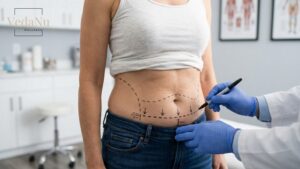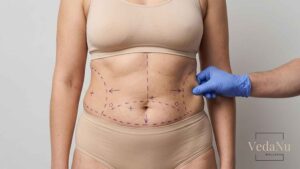

Stubborn fat that resists clean eating and consistent workouts is one of the most common frustrations you can bring into a body-contouring consultation. Two procedures come up most often when diet and exercise are no longer producing visible change: liposuction, a surgical approach that delivers defined results in a single session, and CoolSculpting, a non-surgical alternative that works gradually over multiple visits.
The right body procedure depends on the degree of change you are looking for, the areas involved, and how much recovery time your schedule allows.
What’s The Core Difference Between Liposuction and CoolSculpting?
Liposuction gives you a more immediate, sculpted change in a single visit. Your surgeon gently removes fat through small, carefully placed incisions, shaping the area with precision under local or general anesthesia.
CoolSculpting, on the other hand, works quietly over time. It uses cryolipolysis, a non-surgical technique that freezes and destroys fat cells, and your body gradually clears those cells over the following weeks.
Each cycle reduces roughly 20 to 25 percent of fat in the applicator zone, with real-world outcomes varying by body area, individual response, and the number of sessions you complete. There are no incisions, no anesthesia, and no surgical recovery.
In practice, liposuction delivers a defined, surgeon-controlled result after a single focused recovery period. CoolSculpting produces a more gradual, modest reduction without downtime, though the degree of change it can achieve is limited compared to surgical contouring.
What Each Procedure Looks Like Day-Of
The two experiences feel almost nothing alike. Understanding what each procedure involves on the day of treatment often provides more clarity than a side-by-side comparison.
Inside a Liposuction Procedure
Your surgeon begins by gently preparing the area and mapping out your treatment plan so every contour feels intentional. Tumescent fluid is introduced to numb the tissue and minimize bleeding, and the area is shaped through small, carefully placed incisions using a thin tube called a cannula.
VedaNu’s surgical team uses tumescent liposuction as a foundation, with advanced options such as VASER® and Renuvion® available when they suit the treatment plan. A typical session takes one to four hours, depending on how many areas you’re addressing, and you’ll go home the same day with a loved one to drive you. Extended recovery support and overnight nursing can be arranged when you’d like the extra care.
Inside a CoolSculpting Session
A CoolSculpting session begins with a gel pad placed over the area, followed by a cooling applicator. You’ll feel an intense cold for the first few minutes that softens into numbness as the tissue adjusts.
Each applicator zone takes 35 to 75 minutes, followed by a brief massage to help break up the cooled fat. The session requires no anesthesia and no recovery, though the modest per-session reduction means most patients return multiple times before seeing a meaningful change.
How Quickly You’ll Start Noticing Change
Timing is often one of the most decisive parts of the liposuction vs. CoolSculpting decision. If you have an event in mind or a season you’re working toward, the difference matters.
- With liposuction, you’ll begin to see early changes within 1 to 2 weeks as swelling subsides. Most swelling resolves by six weeks, and your final contour settles in around three to six months. Some people choose a small touch-up later for symmetry, but for most, one focused recovery period delivers the bulk of the change.
- With CoolSculpting, you’ll typically notice your first visible change around three weeks after a session, with peak results landing at two to three months as your body clears the treated fat through the lymphatic system. Most patients require two or more sessions per area to achieve a noticeable change, and individual response varies.
Recovery and Downtime Compared
Recovery is the most concrete daily-life difference between the two options, and for many people, it becomes the deciding factor.
Liposuction recovery involves real downtime. Most patients describe this period as feeling like an intense workout: uncomfortable at first but very manageable with rest and support. Soreness eases over the first five to seven days.
Bruising clears over two to three weeks. You’ll wear a surgical compression garment per your surgeon’s protocol to reduce swelling, support healing, and shape the area.
Most patients resume sedentary work within the first week, with the specific timeline depending on the scope of the procedure. Higher-volume cases or multiple-area procedures may take longer. Strenuous activity and exercise are restricted for at least two weeks, with full clearance typically at four to six weeks once your surgeon evaluates your recovery.
CoolSculpting recovery is minimal. You may have redness, tingling, mild numbness, or tenderness, most of which clear within days. Numbness in the area can linger for a few weeks. You can return to work, exercise, and your usual routine right away.
Effectiveness and Body-Area Considerations
Both procedures work, but they operate differently and shine in different areas of the body.
| Aspect | Liposuction | CoolSculpting |
| What you can expect per session | Significant volume removed in one procedure | A modest reduction in the treated zone, often requiring repeat sessions |
| Best suited for | Larger deposits and sculpted body contouring | Isolated fat deposits in targeted zones |
| Sessions typically needed | One per area, with possible touch-ups | Often two or more per area |
| Anesthesia | Local or general | None |
| Incisions | Small, carefully placed | None |
| Result type | Immediate reshaping | Gradual refinement |
Body area matters as much as the choice of procedure. Liposuction works well across the abdomen, flanks, thighs, arms, and back, though very superficial fat in some zones requires a surgeon’s judgment regarding technique. CoolSculpting performs especially well on submental fat under the chin and on small pinchable pockets, but it’s less effective on broad areas where a gradual reduction won’t produce a visible change.
Read More: Liposuction Areas: Where Can Fat Be Removed?
Cost and Value Considerations
Pricing varies based on the number of areas, your body type, and the specific plan your provider builds. A single-quoted number rarely reflects what a real treatment plan costs.
A useful way to compare value:
- Liposuction is a higher upfront investment, billed per area or per multi-area session, and typically delivers the full result for that region in one procedure
- CoolSculpting is often lower per cycle, but costs accumulate across multiple sessions and applicator zones, and total spend can approach or exceed liposuction for larger goals
For broad contouring, liposuction tends to deliver a lower cost per result. For isolated, minor concerns, CoolSculpting may have a lower upfront cost per session, though the cumulative investment over multiple sessions and the more limited degree of correction should be weighed against a single liposuction procedure that yields a more defined result.
Skin Laxity and Tissue Quality
Skin quality is one of the most important and most overlooked factors in your decision.
- With liposuction, removing the fat that was filling out your skin means your skin needs to retract afterward. If your skin elasticity is strong, it follows the new contour beautifully. If your skin has reduced elasticity, removing volume can leave loose skin behind, which is why your surgeon evaluates your skin quality carefully before recommending liposuction alone.
- CoolSculpting does not address the overlying skin. For patients with mild fat and firm skin, this is not a concern. For patients with any degree of laxity, the lack of tissue remodeling means the skin’s appearance may not improve and, in some cases, may look less supported after fat reduction.
Who Is a Good Candidate for Liposuction vs. CoolSculpting?
Good candidates for liposuction are generally healthy adults with stubborn fat deposits that have not responded to diet and exercise and who want more noticeable body contouring. CoolSculpting candidates tend to have smaller, isolated fat deposits and prefer a non-surgical approach with no downtime, understanding that the degree of change per session is more limited.
The right answer depends on your body composition, your goals, your health, and how much downtime you can absorb.
When Liposuction Is the Better Fit
You may be a strong candidate for liposuction if you:
- Are within 30 pounds of your goal weight
- Have good skin elasticity that will retract after fat removal
- Want a single, defined sculpted change
- Have multiple areas to address in one visit
- Do not smoke
- Are in good overall health and have been medically cleared for surgery
It is not the right fit for patients with bleeding disorders, uncontrolled diabetes, certain cardiac conditions, or those with a body mass index that places them outside the safe range for elective surgery. These are relative considerations your surgeon evaluates individually.
When CoolSculpting Is the Better Fit
You may be a good fit for CoolSculpting if you:
- Have small, pinchable pockets resistant to diet and exercise
- Cannot or prefer not to take time off
- Want gradual, subtle change rather than dramatic reshaping
- Are you comfortable with the idea of returning for a few sessions
CoolSculpting is not recommended for people with rare conditions in which the body reacts poorly to cold, such as cryoglobulinemia (a condition in which abnormal proteins in the blood thicken in response to cold), cold urticaria (cold-triggered hives), or paroxysmal cold hemoglobinuria (a rare blood reaction to cold).
If you’re very sensitive to cold, have a skin condition in the treatment area, or have a hernia near the treatment area, you’ll need a careful evaluation before deciding whether it’s right for you.
When Neither Is the Right Fit
In some cases, neither procedure is appropriate until other factors are addressed first. If you’re still working toward a stable weight, you’ll see better long-term results from medical weight loss support first. If your primary concern is loose skin, you’ll benefit more from a procedure that directly addresses laxity, such as a tummy tuck or body contouring after weight loss. Honest screening at the consultation stage protects your investment and your result.
Risks and Safety Profile
Both procedures are well-established. Both carry risks worth understanding.
Liposuction risks include bleeding, infection, contour irregularities, fluid changes, anesthesia-related risks, and changes in sensation. Your risk drops meaningfully when the procedure is performed by a qualified plastic surgeon in an accredited surgical facility, with thoughtful screening and conservative volume limits.
CoolSculpting side effects are generally mild and include temporary numbness, redness, and tenderness. One documented risk that warrants discussion is paradoxical adipose hyperplasia (PAH), a rare but well-documented reaction in which the treated fat area grows larger and firmer rather than shrinking. PAH typically requires liposuction to correct, which is why it should be part of every informed consent conversation before choosing a non-surgical approach.
Provider experience, careful patient screening, and a clear plan are the strongest predictors of a safe outcome with either approach.
Do Liposuction and CoolSculpting Results Last?
Liposuction removes fat cells directly and immediately from the treated area. CoolSculpting damages fat cells through controlled cooling, and the body clears them gradually over the following weeks. In both cases, the treated cells do not regenerate. Liposuction removes a precisely controlled volume in a single session, while CoolSculpting’s per-session reduction is less predictable and varies by individual response.
Stable weight, balanced nutrition, and regular activity protect what you’ve worked for. If you’re on a GLP-1 medication, you’ll often find that residual pockets respond well to liposuction or CoolSculpting once your weight has settled. Sequencing matters: weight loss first, contouring second.
The Emotional Side of the Decision
Beyond the clinical comparison, personal preferences and expectations often play a significant role in the final decision.
For some people, the idea of surgery feels like too big a step, no matter the outcome. For others, the thought of multiple sessions and waiting for months simply doesn’t align with their goals.
How will you feel about a subtle result versus a dramatic one? Satisfaction tends to be highest when expectations match the procedure. If you expected a liposuction-level change from CoolSculpting, you may feel disappointed even when the procedure worked exactly as designed. If you wanted only a small refinement and chose surgery, you may feel the result is more obvious than you wanted.
How patient are you with gradual change? CoolSculpting is best suited to patients comfortable with gradual change, while liposuction is better matched to those prepared for a focused recovery in exchange for more defined results.
Read More: How Much Fat Can Be Safely Removed With Liposuction?
Plastic Surgery and Body Contouring at VedaNu Wellness
The best next step is an in-person consultation. A trained eye on your skin, your fat distribution, and your goals will give you a far better answer than any comparison page.
VedaNu Wellness offers liposuction performed by Dr. James Chao, a board-certified plastic surgeon, FACS, with 25+ years of experience in plastic, reconstructive, and hand surgery. He completed his undergraduate work at Stanford with honors, earned his MD at NYU, and underwent surgical training at NYU and Bellevue. He is fellowship-trained in hand and microsurgical procedures and previously served as a Clinical Professor at UCSD.
You’ll work with a team that builds a personalized treatment plan with transparent pricing, in-person tissue assessment, and honest guidance about which procedure fits your goals. CoolSculpting is not performed at VedaNu Wellness, and patients better suited to non-invasive fat reduction are referred elsewhere. If your first step is weight stabilization, VedaNu’s medical weight loss team can coordinate care before any contouring decision.
VedaNu serves patients in San Diego County and across Los Angeles from the Beverly Hills location. Contact us to schedule a consultation and find out which fat-reduction option best fits your goals.
Frequently Asked Questions
Is Liposuction More Painful Than CoolSculpting?
Liposuction has a real recovery period, with soreness similar to that of a deep workout for several days. CoolSculpting involves brief discomfort during cooling and minor tenderness afterward. You trade short-term discomfort for a more substantial result with surgery.
Can I Combine Liposuction and CoolSculpting?
Some patients use liposuction for a primary contouring goal and CoolSculpting for small touch-ups in adjacent areas. Since VedaNu Wellness offers liposuction but not CoolSculpting, combining the two would mean coordinating care between two separate practices. Sequencing should be discussed openly with both providers.
Does Fat Come Back After Either Procedure?
Fat cells removed by liposuction or destroyed by CoolSculpting do not return in the treated area. With liposuction, the volume removed is measured and controlled during the procedure, giving your surgeon precise influence over the final contour. With CoolSculpting, the degree of reduction depends on individual cell response, which is why results vary more widely between patients.
How Long Do I Need To Take Off Work For Liposuction?
Many people return to desk work within two to seven days, though higher-volume procedures, multi-area cases, and physically demanding jobs require more recovery time. Your surgeon will give you a realistic estimate based on your plan.
How Will I Know Which One Is Right For Me During My Consultation?
Bring your goals, your timeline, and any reference photos that illustrate the change you want. Your provider will assess your skin elasticity, fat distribution, and overall health, then recommend the option that delivers the result you’re after with the fewest trade-offs.