
You reached your goal weight, the number you worked toward for months, sometimes years. But when you look in the mirror, the reflection doesn’t quite match how you imagined you would feel.
Instead of defined contours, you may notice softness where there used to be fullness. Contours that haven’t caught up with your progress. Features that feel slightly unfamiliar. This is one of the most common conversations happening in plastic surgery consultations right now.
Many patients who succeeded on semaglutide, tirzepatide, or another GLP-1 medication arrive at a second decision point: how to align the body they see with the work they’ve done. Body contouring after GLP-1 weight loss has become a thoughtful next step for many who want their outer results to reflect their inner progress.
Why GLP-1 Weight Loss Often Leaves a “Deflated” Look
The disconnect between how you feel and how your body looks after significant weight loss is one of the most common concerns patients share in consultation. What you’re seeing isn’t a setback. As the body becomes lighter, the skin and underlying structure don’t always adjust at the same pace. Many patients describe a softer, less supported appearance, where contours feel diminished rather than defined.
Skin draws its firmness from collagen and elastin, both of which gradually decline with age, sun exposure, and genetics. After significant weight loss, especially over a short timeframe or after years of skin stretching, the underlying framework can’t always rebuild quickly enough to retract back to a smaller frame.
How your skin responds is highly individual. It reflects your age, your skin’s natural elasticity, the amount of weight you’ve lost, the pace of that loss, and your body’s history, including pregnancy or past weight fluctuations. Lifestyle factors like hydration, sun exposure, and smoking history also shape the outcome.
Younger patients with strong baseline skin tone sometimes recover well on their own. Many patients over 40, those who have lost more than 50 pounds, or those with multiple prior weight-loss cycles, find that non-surgical approaches alone don’t achieve the results they want.
Skin laxity after weight loss tends to concentrate in predictable areas: the lower abdomen, upper arms, inner thighs, breasts, and face. The concern almost always falls into one of three categories:
- Residual volume that didn’t respond to medication
- Excess skin that won’t retract on its own
- Lost volume in the breasts, buttocks, or face
Each calls for a different approach, which is why no single treatment fits every patient who completes a GLP-1 protocol.
Read More: What to Expect in Your First Month on Medical Weight Loss
When to Consider Body Contouring After GLP-1 Medications
Timing shapes the durability of your results more than almost any other factor. Beginning surgical planning before your weight has settled is the most common reason patients require revisions later. The body present at the time of contouring is the body on which the plan is designed. If that body continues to change, the result drifts with it.
Why a Stable Weight Matters Before Surgery
In most cases, we recommend allowing your weight to stabilize for at least 6 months before proceeding with body contouring. Stability means your weight has plateaued, with no active loss or gain, and you feel settled in your medication and nutrition routine.
Continuing to lose after surgery can create new looseness in tissues already tightened to a larger frame. Regaining can stretch the surgical work in ways that compromise the outcome. Patience here protects your investment.
This isn’t about gatekeeping. It’s the same principle behind a tailor declining to fit a suit while you’re still actively shaping your figure.
Read More: How to Maintain Results After Losing Weight
Signs You May Be Ready for a Consultation
A consultation is a planning conversation, not a commitment. You may be ready when:
- You’ve reached and maintained a weight plateau
- Your medication and nutrition routine feels sustainable
- Your remaining concerns are visual rather than metabolic
- You feel prepared for recovery time and aftercare
- You want guidance on how contouring fits into your long-term care
If you’re still actively losing or your dose is being titrated, the appointment can still help map a realistic timeline. Many patients leave with a target window rather than a scheduled date.
Treatment Options Matched to Post-GLP-1 Concerns
Body contouring after Ozempic, semaglutide, or tirzepatide isn’t a single treatment. It’s a thoughtfully matched set of approaches selected to address your specific concern.
Liposuction for Localized Residual Volume
Liposuction refines areas where residual fullness remains after medication has done its work, sculpting more defined contours once your weight has stabilized. It’s well-suited when skin tone is still firm enough to conform smoothly after volume is reduced.
Common areas after GLP-1 weight loss include the flanks, lower abdomen, inner thighs, and the area beneath the bra line. Because liposuction addresses volume rather than skin tightness, patients with meaningful laxity often pair it with another treatment for a more complete result.
Tummy Tuck for Excess Skin and Abdominal Looseness
A tummy tuck restores a smoother, more supported abdominal contour by removing excess skin and tightening the underlying structure. It’s particularly suited to patients carrying significant excess skin, separated abdominal muscles, or the heavy fold of tissue that often remains after substantial weight loss.
Liposuction is frequently performed alongside a tummy tuck to refine the flanks at the same time the abdomen is restored. Patients with both abdominal and breast concerns often consider a Mommy Makeover, which combines multiple procedures into a single coordinated surgical session.
Read More: Tummy Tuck vs. Liposuction: Which Procedure Is Right for You?
Brazilian Butt Lift and Volume Restoration
A Brazilian Butt Lift restores balance and proportion by reintroducing volume in a way that feels natural to your frame. Fat is gently harvested via liposuction from areas of excess, carefully purified, and placed into the buttocks to rebuild the contour.
One consideration specific to GLP-1 patients: sometimes, less harvestable donor volume is available because the medication has already achieved significant fat reduction. Your consultation will assess whether you have enough for the result you want.
Non-Surgical Options for Earlier-Stage Concerns
Surgery isn’t the only path. For patients with mild laxity or those not yet ready for a procedure, non-surgical skin tightening can stimulate collagen production and improve skin quality over a series of sessions. The results are subtler than surgical correction and don’t address significant excess skin, but they can serve beautifully as a bridge for those earlier in the process or as maintenance after surgical results are in.
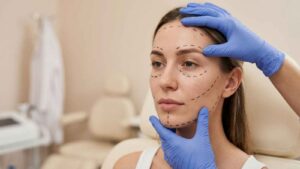
For facial volume loss, several refined non-surgical options can help restore harmony to your features:
- Hyaluronic acid fillers like Juvederm and Restylane to replenish lost volume in the cheeks, temples, and under-eye area
- Sculptra, a biostimulatory filler that rebuilds volume gradually by stimulating your body’s natural collagen production
- Botox and Dysport to soften dynamic lines that often become more visible after weight loss
What Recovery Looks Like After Post-GLP-1 Body Contouring
Recovery is an important part of the process, and one we plan carefully with you. Each treatment carries its own rhythm:
- Liposuction: Many patients return to work within two to seven days. Strenuous activity is set aside for at least two weeks. A compression garment supports the new contour during the initial healing phase.
- Tummy tuck: The first one to two weeks are dedicated to rest, with light activity resuming around three to four weeks. Strenuous exercise and heavy lifting are paused for six to eight weeks. A compression garment is worn for several weeks to reduce swelling and refine your new shape.
- Combined treatments: Recovery scales with the most involved procedure in your plan. The final shape continues to be refined for several months as swelling resolves.
Your body needs the right nutritional support to heal well, especially after significant weight loss. We guide you through this so your recovery feels supported rather than overwhelming. Your surgical team will provide your specific targets, and the foundation rests on a few core habits:
- Prioritize protein at every meal to support tissue repair
- Stay consistently hydrated throughout the day
- Coordinate with your medical team if appetite remains low, so medication or supplementation can be adjusted thoughtfully
This is one area where having both your prescribing clinician and your surgical team in close communication makes a meaningful difference.
Coordinated Care: Why Integrated Planning Matters
Many patients pursuing body contouring after semaglutide or another GLP-1 medication coordinate care between two separate teams: the clinic that prescribed the medication and a plastic surgery practice that handles the surgical side. When care is fragmented, important details can be missed.
When your care is managed in one place, everything becomes more seamless across medication timing and surgical planning, so your results feel intentional rather than pieced together. Medication adjustments, weight-stabilization milestones, and surgical timing can be sequenced together, with the same team maintaining the full picture.
A frequent question: Do you have to pause your GLP-1 medication for surgery? The answer reflects your specific treatment, anesthesia plan, and nutritional needs throughout recovery.
Anesthesia safety guidance commonly recommends pausing GLP-1 medications for a period before surgery, due to delayed gastric emptying that can raise aspiration risk under anesthesia. After that, your path typically follows one of three directions:
- Pausing briefly around the surgical date and resuming your original protocol after recovery
- Continuing at an adjusted dose under coordinated medical oversight, where clinically appropriate
- Transitioning into a long-term maintenance protocol that supports weight stability after the surgical results are in
The right choice is made with intention, in coordination with your prescribing clinician, never as an afterthought during pre-op clearance.
Questions to Ask During Your Body Contouring Consultation
The right consultation is shaped around your anatomy, your weight history, and the life you want to live in your body. A few questions worth bringing:
- How will my current skin quality shape the approach you recommend?
- If I need more than one treatment, what’s the safest sequence and spacing?
- How should I handle my GLP-1 medication before, during, and after surgery?
- What’s a realistic recovery timeline given my work and family responsibilities?
- How will you help me protect my results in the long term?
- Can you walk me through patient experiences that began in a similar place to mine?
Cost is a fair part of the conversation as well. Pricing reflects the treatments involved, anesthesia and facility fees, garments, and post-operative care. Most practices, including ours, prepare a detailed quote and available financing plan after your consultation rather than over the phone, since the right plan depends on your anatomy and goals.
Continuing Your Transformation Beyond Weight Loss
Your GLP-1 phase did much of the work. It refined your metabolism, reset your relationship with food, and brought your weight to a place years of effort couldn’t reach on their own. For some patients, this transformation can also leave changes that the medication alone cannot address, including loose skin or facial volume loss, sometimes called “Ozempic face.” For those who wish to address these effects, body contouring can be a thoughtful next step.
If you’re ready to explore what comes next, we invite you to schedule a private consultation at our plastic surgery clinics in San Diego and Beverly Hills.
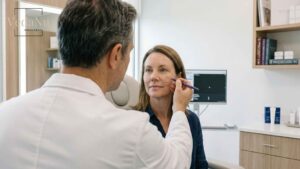
Dr. James Chao, a board-certified plastic surgeon and Fellow of the American College of Surgeons (FACS), will take the time to understand your weight-loss progress, assess your tissue quality, and design a personalized treatment plan that aligns with your goals and lifestyle. Contact us to begin the conversation about your weight loss contouring options.