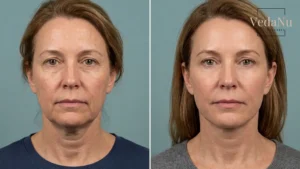
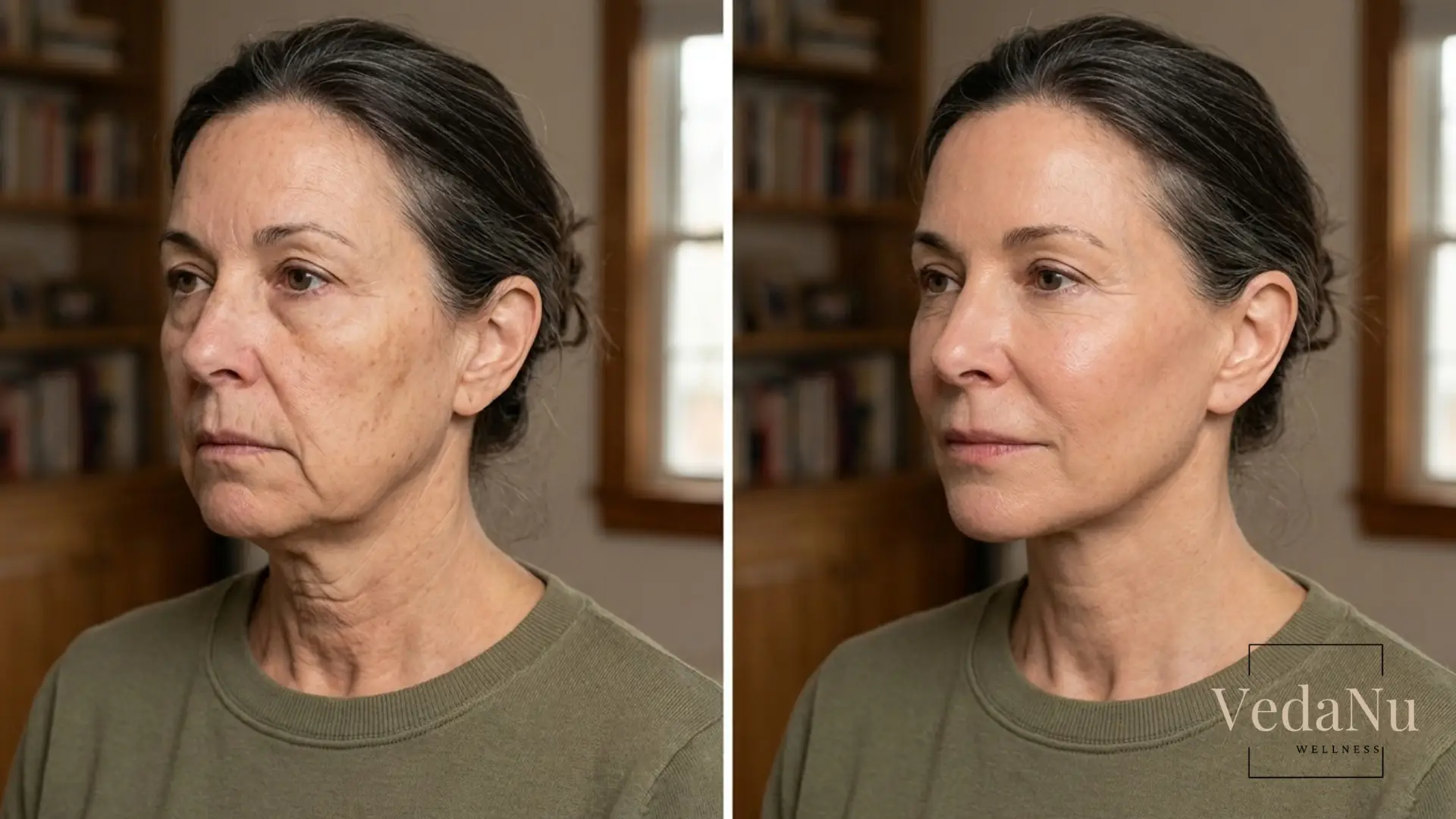
After major weight loss, your face may look different than you expected. Hollow cheeks, loose skin, and a less defined jawline can make you look older or more tired than you feel. These changes, often called “Ozempic face,” can develop after significant weight loss, particularly with GLP-1 medications like semaglutide or tirzepatide.
But does that mean you need surgery? Not necessarily. Fillers may help restore lost volume, but they cannot fully correct sagging skin or jowls. If you’re considering a facelift in San Diego, understanding the signs, treatment options and ideal timing can help you decide on your next steps.
What Is Ozempic Face, and Why Does It Matter for Surgery Planning?
“Ozempic face” isn’t a medical diagnosis. It describes changes in facial appearance associated with weight loss, including weight loss involving medications like Ozempic, Wegovy, Mounjaro and Zepbound.
Most of these changes involve two primary concerns: lost facial volume and reduced skin firmness. Understanding how each affects your appearance helps explain why some patients benefit from volume restoration, while others may consider surgical lifting.
Facial Fat Loss Creates a Hollow Appearance
Your face has layers of fat that support your cheeks, temples and areas beneath your eyes. When you lose significant weight, these fat deposits may shrink, leaving your face looking thinner or drawn.
The amount of fullness you lose varies based on your facial structure, age and overall weight change. Some areas may appear more hollow than others, which can affect your facial balance.
Loose Skin Contributes to Sagging and Jowls
Your skin may not fully adjust as facial fat decreases, especially after substantial weight loss. Age, genetics, sun exposure, and the amount of weight lost can affect how well your skin adjusts.
When your skin loses its ability to contract around your changing facial contours, the underlying tissues may appear lower or less supported. This can contribute to visible sagging even after your weight has stabilized.
What Are the Signs You May Need a Facelift After Ozempic?
If your cheeks, jawline or neck have started to sag, surgery may be worth considering. The following changes can help you recognize when an evaluation with a plastic surgeon may be useful.
Jowls, Deep Facial Folds and a Less Defined Jawline
After weight loss, changes in your lower face may become more noticeable. Common signs include:
- Jowls: Loose skin and tissue create sagging along your jawline, making it look less defined.
- Nasolabial folds: Creases between your nose and the corners of your mouth become deeper as facial volume decreases and tissues shift.
- Marionette lines: Lines extending from the corners of your mouth toward your chin become more noticeable as your lower face loses support.
- Drooping cheeks: Sagging facial tissue makes your midface appear lower and less lifted.
These changes can develop together, although deep facial folds do not always indicate that you need surgery. Your surgeon can determine how much of the change comes from volume loss or tissue sagging.
Loose Neck Skin and Visible Muscle Bands
Weight loss can leave excess skin beneath your chin and around your neck. You might also notice vertical neck bands or a less defined transition between your jawline and neck.
Turning your head or looking downward can make these changes more noticeable. The amount of loose skin and the condition of your neck muscles can influence which treatment may be appropriate.
Fillers No Longer Address Your Concerns
If you’ve already tried fillers, these changes may suggest that adding more volume won’t address your main concerns:
- Your cheeks look fuller, but your jawline still sags.
- Additional filler makes your face appear puffy.
- Loose skin remains noticeable despite non-surgical treatments.
When these concerns persist, your surgeon may recommend evaluating the position of your facial tissues rather than continuing to add volume.
When Is the Right Time for a Facelift After Weight Loss?
Your face may continue to change even after you’ve reached your goal weight. Scheduling surgery too early could affect your results if you lose more facial volume.
Weight Stability and Health Before Facelift Surgery
Many plastic surgeons recommend maintaining a stable weight for several months before facelift surgery. Some may suggest at least 3 to 6 months, while patients who experience substantial weight loss may need more time.
Giving your weight time to stabilize helps your surgeon assess your facial contours and plan treatment around your current appearance. Significant weight changes after surgery can also affect your long-term results.
Your overall health shapes your timing as well. Your surgeon will review your medical history, current medications and any conditions that could affect healing. Smoking and nicotine products increase the risk of healing complications, so your surgeon will require you to stop using them before and after surgery.
GLP-1 Medication Use Before Surgery
Medications like Ozempic and Wegovy can slow stomach emptying, which may increase certain risks during anesthesia.
Current medical guidance on GLP-1 medications before elective surgery continues to evolve. Your surgical team will determine the safest approach based on your health, medication dose, and symptoms.
If you’ve recently started treatment, increased your dose, or experienced nausea or vomiting, your surgical team may need to assess these factors before your procedure.
Your surgeon, anesthesia team and prescribing clinician will help determine the safest plan. Never stop or adjust your medication without medical guidance.
Why Does Nutrition Matter Before Your Facelift?
Significant weight loss can affect your nutritional health, especially if you’ve been eating less during GLP-1 treatment. Your body needs adequate nutrients to support healing after surgery.
Before your facelift, your surgeon may assess your:
- Protein intake: Supports tissue repair and wound healing.
- Iron levels: Help your body deliver oxygen to healing tissues.
- Vitamin B12: Supports healthy blood cell production and nerve function.
- Vitamin D: Plays a role in immune function and overall health.
Your surgeon may recommend blood tests or nutritional adjustments based on your medical history. Addressing any deficiencies before surgery can help prepare your body for recovery.
Which Surgical Options Can Lift and Restore Facial Volume?
Different procedures address different changes after weight loss. Your treatment plan may involve lifting sagging tissue, replacing lost facial fullness or combining treatments when appropriate.
Deep Plane Facelift for Sagging Cheeks and Jowls
A deep plane facelift repositions the deeper facial tissues along with the skin to improve the position of your cheeks and lower face.
Unlike techniques that rely more heavily on skin tightening, this approach addresses the underlying tissue support. Your surgeon adjusts these structures to improve facial contours while aiming for a natural-looking result.
That said, lifting your facial tissues does not automatically replace the fat you’ve lost. If significant hollowing remains, volume restoration may become part of your plan.
Mini Facelift for Mild Lower-Face Sagging
A mini facelift may be appropriate if you have early jowling or mild sagging around your lower face. It generally uses shorter incisions and focuses on a more limited treatment area than a full facelift.
If you have significant loose skin around your cheeks or neck, a mini facelift may not provide enough correction. Your surgeon will assess the extent of sagging before recommending this approach.
Endoscopic Facelift for Targeted Facial Lifting
An endoscopic facelift uses small incisions and a camera to help the surgeon lift selected facial areas. It may be suitable for certain patients with mild to moderate sagging around the cheeks or upper face.
Because this technique typically removes little excess skin, it may not be appropriate if you have significant looseness around your jawline or neck. Its suitability also depends on the specific facial areas requiring treatment.
Facial Fat Transfer to Restore Lost Volume
Facial fat transfer uses fat from another area of your body to add fullness to selected facial areas.
Your surgeon removes fat from an area such as your abdomen or thighs and carefully injects it into areas that need volume.
Some transferred fat may be absorbed during healing, so results can vary. If you’ve lost substantial body fat, your surgeon will also assess if you have enough donor fat for the procedure.
Neck Lift and Muscle Tightening for a Defined Jawline
A neck lift can remove excess skin beneath your chin, while a procedure called platysmaplasty tightens the underlying neck muscles.
Combining these procedures with a facelift (rhytidectomy) can create a smoother transition between your face and neck. Not everyone needs both procedures, though. The extent of your neck changes helps determine if additional surgery would be beneficial.
What Can Improve Ozempic Face Without Surgery?
If your skin remains relatively firm after weight loss, non-surgical treatments may help address facial hollowing, fine lines or uneven skin texture.
Your options may include:
- Hyaluronic acid fillers: Injectable fillers like Juvéderm and Restylane use hyaluronic acid, a gel-like substance naturally found in your skin, to add volume to your cheeks and other approved treatment areas. Results are temporary and may last 6 to 18 months, depending on the product and treatment area.
- Sculptra: This collagen-stimulating injectable gradually improves facial volume and the appearance of facial wrinkles. You may need multiple sessions to achieve your desired results.
- CO2 laser resurfacing: This treatment improves skin texture, fine lines and sun damage by stimulating skin renewal. Still, it cannot lift sagging cheeks or correct significant jowls.
If your weight is still changing, your provider may recommend waiting before starting certain treatments. Temporary fillers may be an option, but your treatment plan should account for possible changes in facial volume.
These treatments address different concerns and have different limitations. Your provider can explain which options may be appropriate based on your skin condition and the changes you want to improve.
Schedule Your Facelift Consultation at VedaNu Wellness
If you’re considering facial rejuvenation after GLP-1 weight loss, a consultation can help you understand your options. A facelift can reposition sagging tissue with results that last for years, though it cannot stop natural aging or reverse sun damage. At VedaNu Wellness, Dr. James Chao, MD, FACS (Fellow of the American College of Surgeons), a board-certified plastic surgeon with more than 25 years of experience in plastic, reconstructive, and hand surgery, evaluates your facial structure, weight loss history and aesthetic goals to recommend a personalized treatment plan.
Your facelift cost depends on the surgical technique and any additional procedures you may need. VedaNu Wellness offers financing options for qualifying patients and provides information about current special offers. If you’re traveling for surgery, our out-of-town patient resources can help you plan your visit.
Our San Diego practice welcomes patients in La Jolla, Del Mar, Rancho Santa Fe, Carlsbad, Encinitas and Carmel Valley. Book an appointment online or schedule your consultation at 8901 Activity Road, Suite 102, San Diego, CA 92126, or 433 N Camden Drive, Suite 610, Beverly Hills, CA 90210 to explore your facelift options and find out which approach may help you achieve a more refreshed, natural-looking appearance after weight loss.
Frequently Asked Questions
Does Ozempic face go away if you stop the medication?
Some facial fullness may return if you regain weight, but loose skin may not fully tighten. Stopping Ozempic does not automatically reverse these changes. Your results depend on your age, skin elasticity and how much weight you’ve lost. Talk to your prescribing clinician before making changes to your medication.
Is a mini facelift enough for Ozempic face?
A mini facelift may help if you have mild jowling and limited loose skin. If you have significant sagging around your cheeks, jawline or neck, your surgeon may recommend a more extensive facelift or additional neck contouring.
How much does a facelift cost after weight loss?
Your facelift cost depends on the surgical technique, anesthesia, facility fees and any additional procedures, such as facial fat transfer or a neck lift. At VedaNu Wellness, you’ll receive a personalized cost estimate after your surgeon evaluates your needs and treatment goals.
How long is recovery after a facelift with fat transfer?
Most patients can return to desk work within 2 to 3 weeks after facelift surgery, although swelling and bruising may last longer. Clearance for strenuous exercise usually comes after 4 to 6 weeks, depending on your healing progress. Facial fat transfer can cause additional swelling, and your results may continue to settle over several months.