What is liposuction?
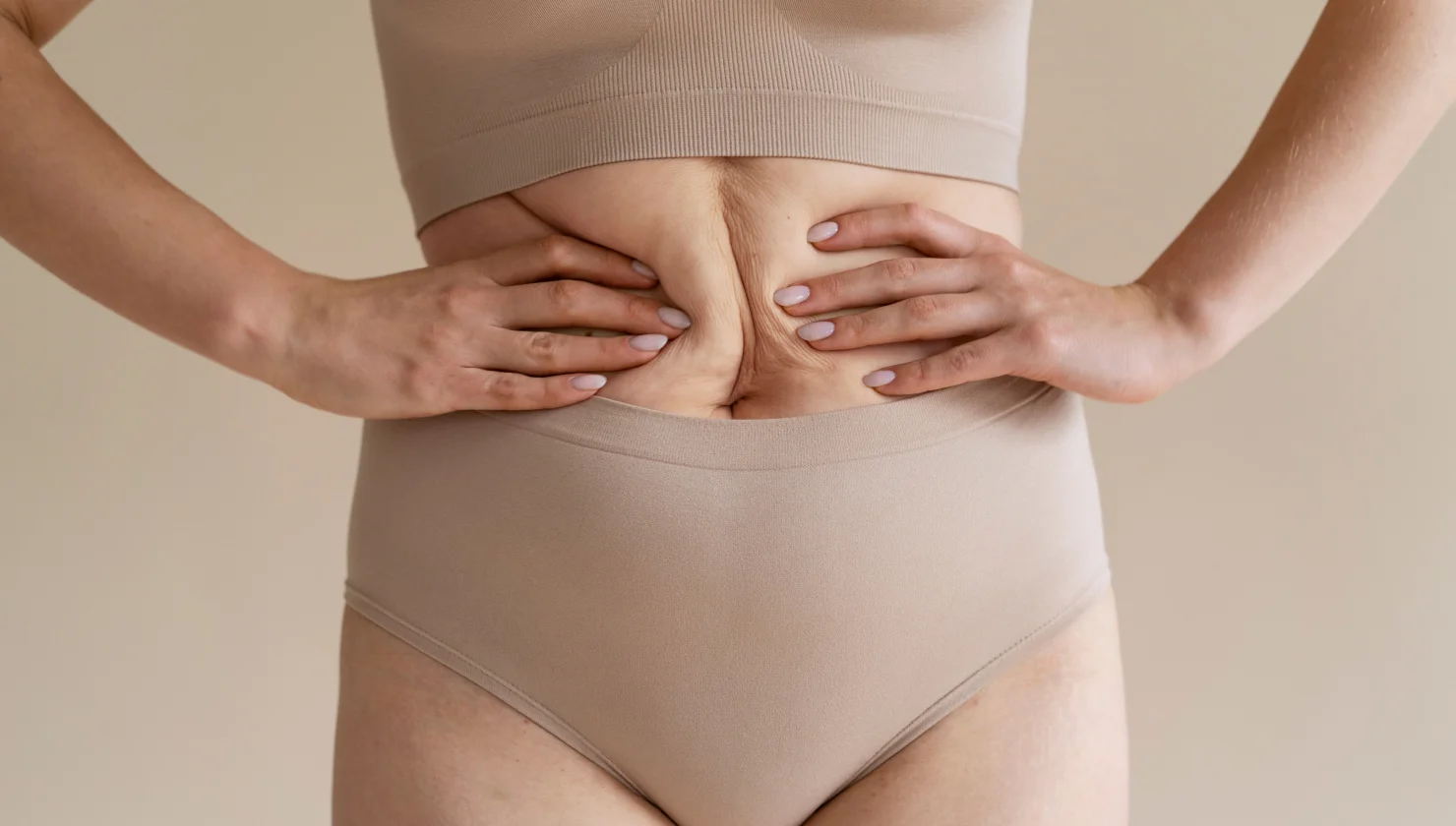
Liposuction is a surgical body contouring procedure designed to remove stubborn fat deposits that do not respond to diet and exercise. It is not a weight-loss solution, but rather a method for sculpting and refining specific areas of the body to achieve a slimmer, more proportionate shape.
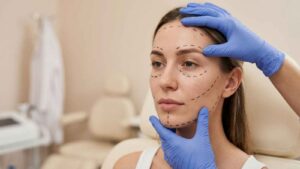
During liposuction, a surgeon uses a thin, hollow tube called a cannula, which is inserted through small incisions in the skin. The cannula is connected to a vacuum device that gently suctions out excess fat cells. Common treatment areas include the abdomen, hips, thighs, flanks, back, arms, neck, and under the chin.
Liposuction can be performed as a standalone procedure or combined with other surgeries, such as a tummy tuck or body lift, to enhance overall results. Because fat cells are permanently removed, the results can be long-lasting—especially when maintained with a healthy lifestyle.

Where on my body can I get liposuction?
Liposuction can be performed on many areas where stubborn fat tends to linger, helping create a slimmer, more balanced shape. Popular treatment areas include the abdomen, waist, hips, flanks, and thighs—both inner and outer. Many patients also choose to target the upper arms, back, and the area beneath the buttocks for smoother contours. For more refined facial definition, liposuction can be used under the chin and along the neck to reduce the appearance of a double chin. Men may benefit from chest liposuction to address excess fat related to gynecomastia. In many cases, multiple areas can be treated in one session, allowing for a more comprehensive transformation.
Liposuction recovery
The recovery process after liposuction is gradual and varies for each patient depending on the number of areas treated, the amount of fat removed, and your body’s natural healing response.
Immediately After Surgery
You will return home the same day in most cases. Compression garments will be placed over the treated areas to help control swelling, improve circulation, and support the newly contoured shape. Mild to moderate soreness, swelling, and bruising are expected during the first several days. Your surgeon may place small drains at the incision sites to help remove excess fluid—these are typically removed within a few days.
First Week
Most patients can resume light, non-strenuous activities within 3–5 days, and many feel comfortable returning to desk work after about a week. Discomfort is usually well-managed with prescribed or over-the-counter pain medication. Wearing your compression garment as instructed is critical during this stage to promote optimal healing.
Weeks 2–4
Bruising will begin to fade, and swelling should gradually improve, though it is normal for the treated areas to feel firm or slightly numb during this period. Gentle walking is encouraged to maintain healthy circulation, but avoid heavy lifting or intense exercise until cleared by your surgeon.
Weeks 4–6
Many patients are cleared to resume most normal activities, including moderate exercise. Some residual swelling may still be present, especially in areas with larger fat removal, but your improved contours will start to become more visible.
Long-Term Healing
Final results generally become apparent within 3–6 months as swelling fully resolves. Small incision scars will continue to fade over the next year. Maintaining a healthy lifestyle will help ensure your results remain long-lasting.
results
Liposuction delivers noticeable, long-lasting improvements in body contour by permanently removing fat cells from targeted areas. While you may see an immediate change in shape after surgery, swelling can temporarily hide your final outcome. As your body heals and swelling subsides over the following weeks, your new contours will gradually become more defined.
Most patients begin to see a clear improvement within 1–3 months, with optimal results visible around 3–6 months after the procedure. The treated areas will appear slimmer, smoother, and more proportionate to the rest of your body, helping clothes fit more comfortably and enhancing your overall silhouette.
It’s important to maintain a stable weight through healthy eating and regular exercise. While the fat cells removed during liposuction do not grow back, remaining fat cells can still enlarge if significant weight is gained, potentially affecting your results.
Many patients report a boost in self-confidence, feeling more comfortable and confident in fitted clothing, swimwear, and everyday life. When paired with a healthy lifestyle, liposuction results can be enjoyed for years to come.