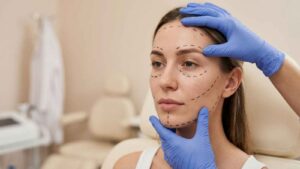
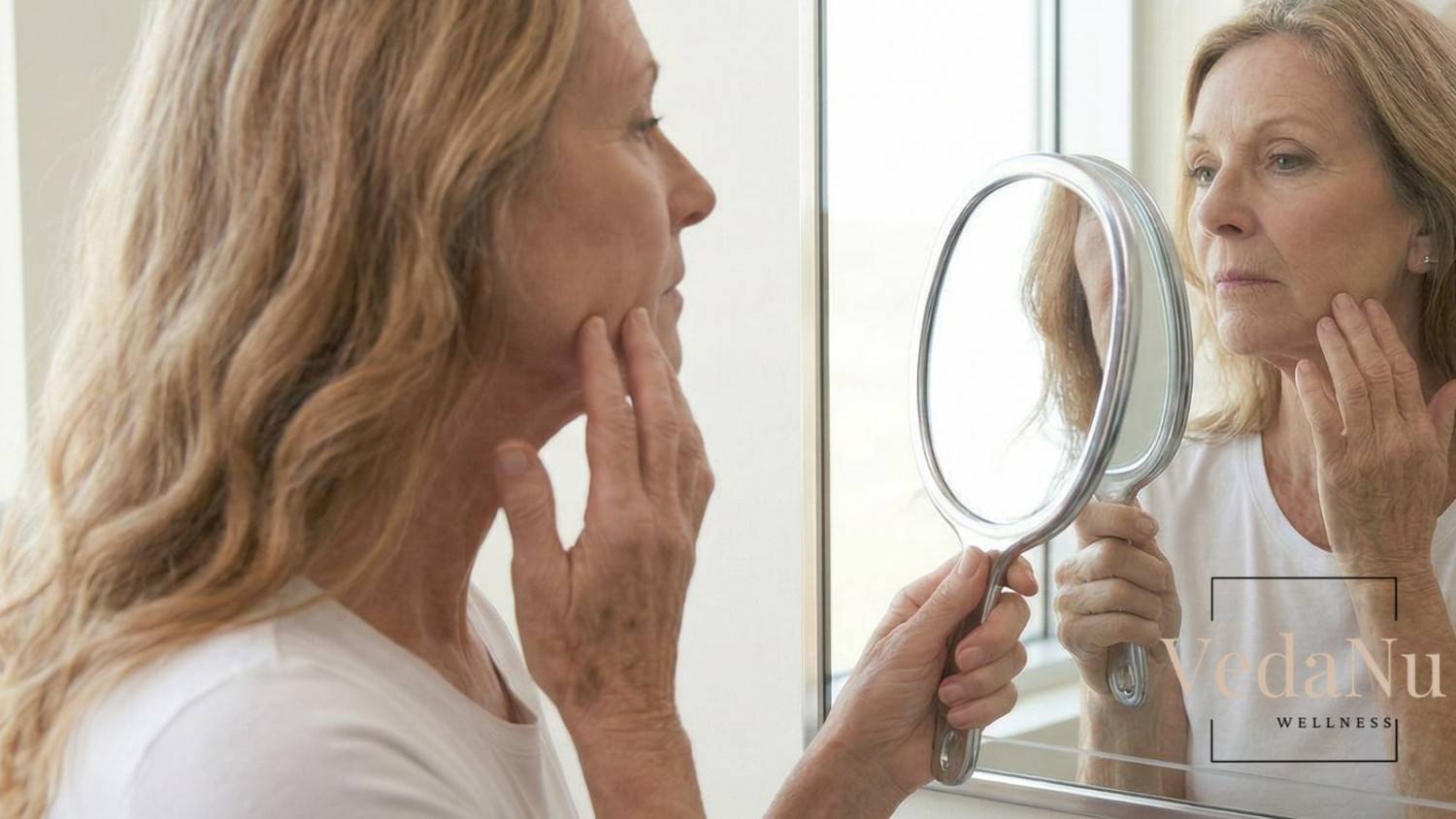
Thinking about a facelift often comes with one big question: how long will the results actually last? It’s a fair concern. After all, a facelift is an investment in your confidence, and you want to know that the results will stand the test of time.
Most facelift results last between 10 and 15 years, but the exact timeline can vary by person. Your surgical technique, skin quality, lifestyle habits, and long-term care all play a role in how gracefully your results age.
Understanding what affects facelift longevity, how different techniques compare, and what you can do to protect your results helps you make a more confident, informed decision about surgery
What Determines Facelift Longevity?
Several factors work together to shape how long your facelift results last. While surgical technique lays the foundation, your natural skin quality and everyday habits play just as important a role in how your face continues to age after the procedure.
Think of a facelift as “resetting the clock’ rather than stopping it. It restores support, lifts tissues, and smooths contours, allowing your face to age more slowly and maintain a refreshed, youthful appearance over time. When thoughtful surgical planning is paired with healthy skin and consistent maintenance, many patients enjoy noticeable rejuvenation for well over a decade.
How Your Surgeon’s Technique Affects Longevity
The surgical approach has a major impact on how long results last. Procedures that lift deeper layers of the face tend to yield more natural and durable outcomes because they address the root cause of sagging rather than merely tightening the skin.
A technique that matches your facial anatomy and goals sets the stage for long-lasting, natural-looking results. Consult with the plastic surgery clinic for the following:
- Traditional facelifts reposition skin and underlying tissue for long-term improvement.
- Limited or mini procedures provide meaningful improvement for early signs of aging but usually last a shorter time.
- Advanced structural techniques restore contours at a deeper level, helping the results to mature with a balanced, natural look rather than appearing tight or overdone.
Read More: Facelift vs. Mini Facelift: Which Procedure Matches Your Goals?
Your Natural Skin and Facial Structure
Your starting point also plays a major role in how long facelift results remain visible. Skin elasticity, bone structure, and collagen levels all influence how your face responds after surgery and how it continues to age in the years that follow.
Understanding your unique anatomy helps you anticipate how your facelift will age and how to care for it. Key factors include:
- Genetics: Some people naturally maintain firmness and structure longer. Natural collagen levels and facial structure influence durability.
- Skin thickness: Thicker skin often maintains lifted contours longer; thinner skin may show subtle changes sooner.
- Overall health: Overall health, circulation, and metabolic function further affect how well tissues heal and maintain their new position.
Lifestyle and Daily Habits
Everyday habits, such as the following, play a surprisingly large role in the longevity of a facelift:
- Sun protection: Sun exposure is one of the biggest contributors to premature aging. Ultraviolet (UV) exposure weakens collagen and accelerates aging.
- Smoking: Smoking significantly affects tissue health by reducing blood flow and slowing collagen production, which can shorten the lifespan of surgical outcomes.
- Weight stability: Large fluctuations in weight can also stretch or deflate facial tissues, affecting contour and balance.
- Alcohol and hydration: Excess alcohol dehydrates skin; staying well-hydrated supports healthy tissue.
Average Lifespan by Facelift Type
Different facelift techniques offer different timelines because they address aging at varying depths and levels of structural support. Understanding these differences helps you choose the approach that best aligns with your goals and expectations.
Traditional Facelift: 10–15 Years
Comprehensive procedures lift multiple layers, restore underlying support, and reshape contours for natural-looking results. Peak results occur around 6 to 12 months post-surgery, as swelling resolves, with improvement softening gradually over the next decade.
Mini Facelift: 8-12 Years
Designed for patients with early jowling or mild neck laxity, mini facelifts use smaller incisions for subtle improvement. They provide shorter timelines but are ideal as an intermediate step before more extensive surgery.
Deep Plane Facelift: 12–15+ Years
By lifting deeper facial layers and releasing downward-pulling ligaments, deep plane facelifts naturally restore youthful contours. Recovery may take longer, but results often last longer than more superficial procedures.
When Does Aging Resume After a Facelift?
Aging continues naturally after surgery, but it progresses more gradually because the face starts from a more youthful position.
The First 5 Years: Peak Results
During the first several years, results typically look their best. Tissues have settled, contours appear smooth and balanced, and most patients enjoy a refreshed appearance with minimal visible aging. Subtle changes may occur, but overall rejuvenation remains strong and consistent.
Years 6 to 10: Gradual Softening
Gradual softening may begin to appear, such as mild return of facial lines or slight volume loss. These changes are usually far less noticeable than before surgery, and many patients maintain a youthful appearance with simple maintenance treatments.
Years 11 to 15: Consideration for Revision
After a decade, natural aging becomes more visible, though the structural improvements from surgery continue to provide support. Some patients consider additional treatments at this stage, often smaller or more targeted procedures rather than a full repeat surgery.
What Age Is Best for a Facelift?
Most people choose to have a facelift sometime between their late 40s and early 70s, but the right time really depends on how your face is aging and how you feel about those changes, not just your age. Many patients begin exploring surgery when they notice moderate sagging in the lower face, jowling along the jawline, or deeper folds that make them look more tired or older than they feel.
Patients in their 50s and early 60s often achieve the longest-lasting results because the skin typically retains good elasticity and collagen support. At this stage, surgery can refresh your appearance before aging becomes more advanced, creating natural-looking rejuvenation that continues to age naturally over the next 10 to 15 years.
For those in their 40s, a mini facelift may be enough to address early signs of aging and maintain a youthful contour without the need for more extensive surgery. Patients in their late 60s or 70s can also achieve beautiful, confidence-boosting results, especially when the procedure is carefully tailored and expectations are clearly discussed.
Read More: What Age Is Best for a Facelift? (It’s Not What You Think)
How to Maximize Your Facelift Results
Taking care of your skin and overall health after surgery plays a major role in how long your results last. Consistent maintenance helps preserve structure, protect collagen, and maintain smooth, balanced contours.
Sun Protection and Medical-Grade Skincare
Daily application of SPF 50+ broad-spectrum sunscreen impedes the cumulative UV damage that breaks down collagen and elastin. Sun exposure generates free radicals that weaken the structural proteins in your skin, accelerating sagging and changes in texture. Patients who consistently use sunscreen and protect their skin from prolonged sun exposure typically maintain results longer.
Key skincare strategies include:
- Medical-grade retinoids that stimulate collagen production and speed up cellular turnover—prescription-strength tretinoin (a powerful derivative of Vitamin A) applied nightly thickens your skin and reduces fine lines
- Antioxidant serums with vitamin C and E that neutralize oxidative stress before it causes damage
- Barrier-repair moisturizers that support skin health and healing
- Complete avoidance of tanning beds, which can age your skin years faster than natural sun exposure, even with protection
Carefully curated skincare products, including retinoid formulations and antioxidant complexes, can support your surgical results in the long term.
Non-Surgical Maintenance Treatments
Strategic complementary procedures help bridge the gap between your surgical correction and natural aging:
- Neuromodulators like Botox and Dysport, administered every 3 to 4 months, soften dynamic wrinkles from forming in your forehead, around your eyes, and between your brows. By gently relaxing the muscles that create expression lines, these treatments preserve the smooth appearance that surgery creates
- Dermal fillers, every nine to 12 months, restore volume in your temples, cheeks, and under-eye areas that naturally diminish over time, regardless of skin tightness. This volumetric support maintains youthful proportions as you age
- Radiofrequency microneedling performed annually stimulates collagen production through controlled warming of the deeper skin layers, triggering your body’s natural healing response to tighten skin and improve texture without additional surgery
- CO2 laser resurfacing every two to three years resurfaces sun-damaged skin, reducing pigmentation and smoothing fine wrinkles that surgery doesn’t address
Weight Stability and Lifestyle Adjustments
Keeping your weight within 10 to 15 pounds of your preoperative weight prevents mechanical stress on the lifted tissues. Significant gains create downward pull on your new contours, while dramatic losses cause volume depletion that accelerates apparent aging.
Essential lifestyle habits for longevity:
- Stop smoking for at least four weeks before surgery and after. Nicotine constricts blood vessels and compromises collagen production, so patients who quit for good before their procedure consistently achieve longer-lasting results
- Adequate hydration of 80 to 100 ounces of water daily keeps your skin plump and supports cellular function
- Limited alcohol consumption of two to three drinks weekly prevents the dehydration and inflammation that speed up aging
Why Choose VedaNu Wellness for Long-Lasting Results
Beautiful, lasting outcomes combine surgical expertise with ongoing, personalized care. Board-certified plastic surgeon Dr. James Chao brings advanced fellowship training in hand and microsurgical procedures. He creates natural-looking results to maintain facial harmony over time.
VedaNu Wellness combines facial procedures with medical aesthetics, hormone therapy, and weight management to optimize both internal health and external appearance. Quarterly check-ins and proactive maintenance ensure your results last as long as possible.
Contact VedaNu Wellness to explore your options and create a rejuvenation plan tailored to you.