
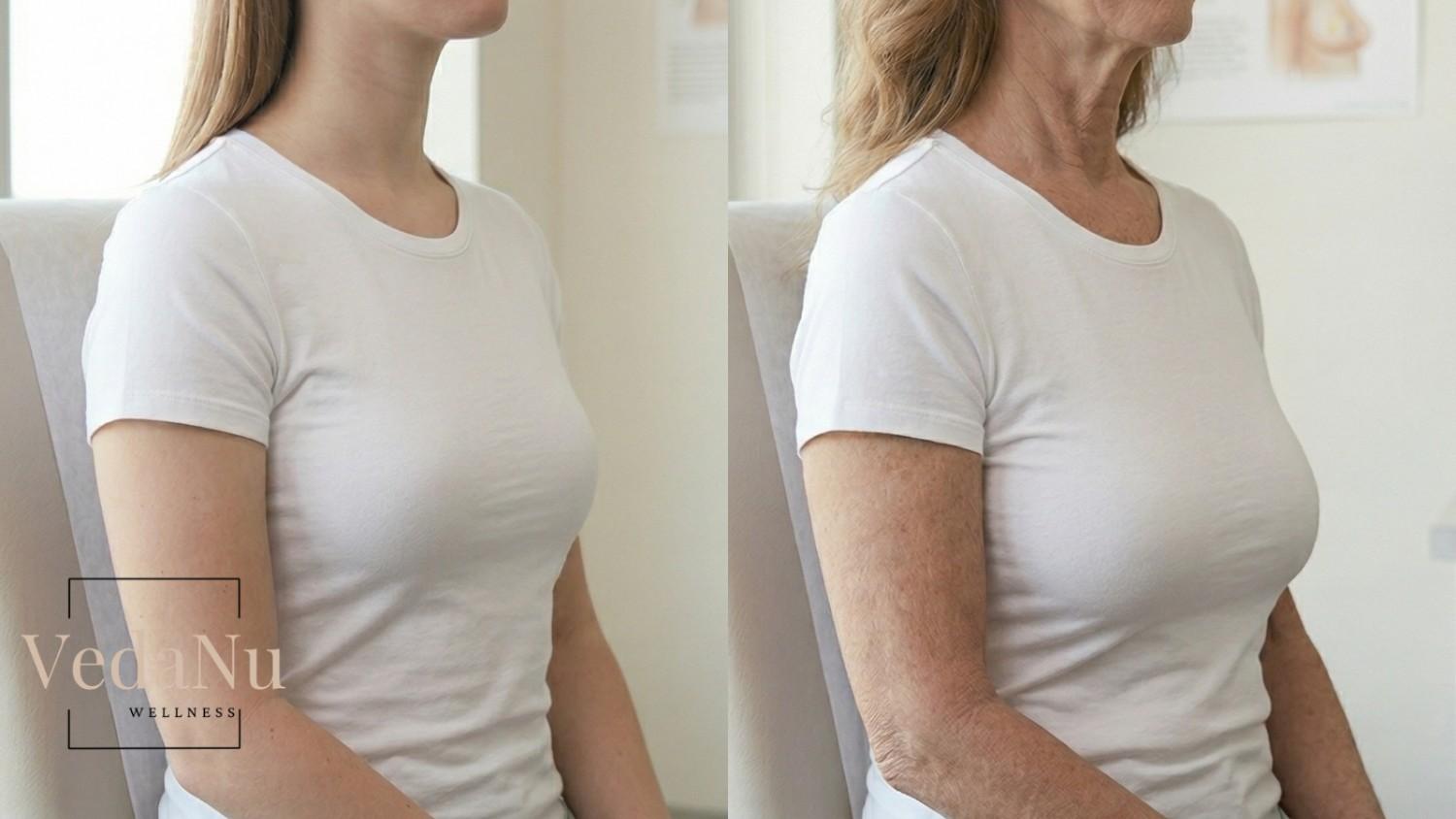
If you’re considering breast augmentation or already have implants, one question likely weighs on your mind: how long do breast implants last? The internet is full of conflicting information. Strict “10-year replacement” rules on one hand, stories of women keeping implants for decades without issues on the other.
The truth is more nuanced. Many patients keep their implants 10–20 years or longer, but longevity varies based on implant type, surgical technique, your body’s response, and lifestyle factors. Many patients enjoy their results for 20 years or longer without complications, while others may need earlier revision for medical or aesthetic reasons.
Learn what affects implant longevity, when replacement becomes necessary, and how you can maximize the lifespan of your breast implants.
The Real Lifespan of Modern Breast Implants
Breast implants are built to be durable, but they’re not classified as “lifetime devices.” This doesn’t mean they’ll fail at a specific point. It simply acknowledges that implants may eventually need replacement due to natural wear, complications, or changes in personal preference.
Why Implants Aren’t Considered Lifetime Devices
Manufacturers and the FDA describe breast implants as “not lifetime devices” because no implant is guaranteed to last forever. This language reflects the reality that implants can rupture, shift, or cause complications over time.
The confusion often stems from warranty coverage periods. Most implant manufacturers offer 10-year warranties covering rupture or capsular contracture. This warranty timeline doesn’t mean your implants expire at 10 years. It’s simply the period during which the manufacturer provides coverage. Many women keep the same implants well beyond the warranty period without issues.
Think of it like a car warranty. A 5-year warranty doesn’t mean your car stops working after five years. It means the manufacturer stands behind their product during that window.
What the Data Shows About Implant Longevity
Clinical studies and real-world data paint a clearer picture:
- Many patients keep silicone implants for 15 years or longer. Manufacturer studies show rupture rates increase after the 10-year mark, but numerous patients maintain their implants well into the second decade without complications.
- With saline implants, the risk of deflation increases over time, with many patients keeping their implants for 10–15 years before considering replacement.
- Modern “gummy bear” implants (highly cohesive silicone) show even longer durability, with many patients reporting excellent results past the 20-year mark
Breast revision rates do increase with implant age. Manufacturer core study data show that revision rates of 15–25% at 10 years are common, often for capsular contracture, size changes, or aesthetic concerns rather than rupture. By 20 years, the cumulative revision rate climbs higher, but many patients still have intact, well-positioned implants.
The key takeaway: implant lifespan is individual. Some patients need earlier intervention, while others enjoy their results for decades.
Read More: Breast Implants: Saline vs. Silicone — What’s Right for You?
What Determines How Long Your Implants Will Last
Implant longevity isn’t random. Several factors shape how long your implants maintain their integrity and appearance. Some are within your control, others not.
Implant Type and Technology Matter
Not all implants age the same way:
- Silicone gel implants tend to outlast saline because the gel is more cohesive and the shells are often thicker.
- Modern silicone implants use advanced materials that resist wear better than older generations. If a silicone implant does rupture, it’s often a “silent rupture.” The gel stays within the capsule, making it harder to detect without imaging.
- Cohesive gel “gummy bear” implants tend to hold their shape better, resist rippling, and have lower rupture rates than traditional silicone implants.
- Saline implants are filled with sterile saltwater. If the shell develops a leak, your body absorbs the saline, and the implant deflates. Usually, noticeably and quickly. This makes saline ruptures easier to detect, but also means they may require earlier replacement.
Textured vs. smooth shells also play a role. Following the recall of certain textured implants linked to BIA-ALCL (a rare lymphoma), smooth implants have become the more commonly used option and show excellent long-term durability.
Surgical Technique and Placement
How your surgeon places the implant affects its lifespan. Submuscular placement (under the chest muscle) provides more tissue coverage, reducing visible rippling and protecting the implant from external trauma. Subglandular placement (above the muscle) may show wear sooner in patients with thin breast tissue.
Pocket creation precision matters. If the pocket is too large, your implants can shift or “bottom out.” If it’s too tight, pressure on the shell increases wear. Skilled surgeons create pockets tailored to the implant size and your anatomy.
The insertion technique also plays a role. Using insertion sleeves or Keller funnels reduces friction on the implant shell during placement, thereby lowering the risk of early failure.
Your Body and Lifestyle Factors
Your body’s response and lifestyle choices influence how long implants last.
Capsular contracture, a common complication of breast reconstruction or augmentation, occurs when scar tissue tightens around the implant. It can distort shape and require revision. Risk factors include smoking, bacterial contamination, and genetic predisposition.
Weight fluctuations, pregnancy, and breastfeeding can stretch breast skin and shift implant position. While the implants themselves aren’t damaged, these changes may lead to aesthetic concerns such as sagging or asymmetry.
Physical activity and trauma matter less than you might think. You can continue moderate exercise safely, but contact sports or significant chest trauma can damage the implant shell over time.
Prior breast surgeries or very thin breast tissue can increase complication risks, as there’s less natural cushioning to protect the implant.
Debunking the 10-Year Replacement Myth
The “replace implants every 10 years” rule persists online, but it’s outdated and oversimplified. Here’s where it came from and why most surgeons no longer recommend routine replacement on a fixed timeline.
Where the 10-Year Rule Came From
Early-generation breast implants (pre-2000s) had higher rupture rates, leading to cautious guidelines about replacement every 10 years. Manufacturer warranties also reinforced this timeline by covering implants for a decade.
As implant technology improved, rupture rates dropped dramatically. Modern silicone implants have thicker shells, more stable gel, and better long-term performance. The 10-year timeline became less about actual implant failure and more about warranty coverage.
When Replacement Actually Becomes Necessary
You should consider implant replacement in these situations:
- Rupture or deflation occurs. Saline deflation is obvious. The breast loses volume quickly. Silicone ruptures may be silent and require imaging to detect. Both warrant replacement.
- Capsular contracture develops. If scar tissue tightens and hardens around the implant, causing pain or distortion, you’ll likely need revision surgery (often with capsulectomy and new implants).
- Visible wrinkling, rippling, or malposition appears. Over time, implants can shift, drop too low (bottoming out), or show rippling through thin skin.
- Asymmetry worsens. One implant may age differently, or natural breast changes create an imbalance.
- You want a size or style change. Many patients choose revision to go larger, smaller, or switch between saline and silicone.
If your implants look and feel fine, and imaging shows no rupture, there’s no need to replace them just because they’ve hit 10 years.
Signs It Might Be Time to Consider Replacement
Most implant issues develop gradually. Paying attention to subtle changes helps you catch problems early.
Physical Symptoms That Warrant Evaluation
Schedule a consultation with your plastic surgeon if you notice:
- New pain or firmness in one or both breasts, especially if it worsens over time
- Visible distortion or changes in breast shape, such as flattening, wrinkling, or asymmetry
- Sudden size change (with saline implants, deflation is usually rapid and noticeable; silicone ruptures may cause gradual size reduction or lumpiness)
- Palpable rippling where you can feel the implant edge or folds through the skin
- Breast hardening (capsular contracture). Firmness, tightness, or a “ball-like” feel suggests scar tissue is tightening around the implant
These symptoms don’t always mean replacement is urgent, but they do warrant imaging and evaluation.
Aesthetic Changes Over Time
Even if your implants are intact, natural aging and life changes can affect appearance:
- Bottoming out happens when the implant drops below the natural breast fold, creating an overly low, distorted profile.
- Sagging or skin laxity can occur after pregnancy, breastfeeding, weight loss, or aging. The skin stretches while the implant remains high.
- Desire for a different size or profile is common. Many patients choose revision to adjust volume or switch between round and anatomical implants.
If aesthetics have changed but the implant itself is fine, you may benefit from a breast lift with or without implant exchange.
Read More: Breast Lift vs. Breast Augmentation: Which Procedure Fits Your Goals?
How to Monitor Your Implants Long-Term
Proactive monitoring extends the lifespan of implants and catches issues before they become serious.
Recommended Screening Timeline
Annual exams with your plastic surgeon are the baseline. During these visits, Dr. Chao evaluates implant position, capsule formation, and any signs of complications.
FDA guidelines recommend MRI or ultrasound screening for silicone implants:
- First MRI at 5–6 years post-surgery
- Follow-up MRIs every 2–3 years after that
MRI detects silent ruptures that you can’t feel. Saline implants don’t require routine imaging because deflation is immediately obvious.
If you have older implants (15+ years), more frequent check-ins are recommended. Every 1–2 years, even if you feel fine.
Self-Monitoring Between Appointments
Between professional exams, perform monthly self-checks:
- Look in the mirror. Note symmetry, shape, and skin texture. Any sudden changes in contour or visible wrinkling should prompt a call.
- Feel for changes. Gently palpate each breast. Normal implants feel soft (if submuscular) or slightly firmer (if subglandular). New hardness, lumps, or pain are red flags.
- Track symptoms. If you notice new discomfort, tenderness, or breast swelling, document when it started and if it’s worsening.
Maximizing Your Implant Lifespan
While you can’t control every factor, these practices support long-term implant health and satisfaction.
After surgery, protect your breast implants by:
- Wearing supportive bras as recommended during recovery and long-term, especially during high-impact activities
- Avoiding significant trauma to the chest (while moderate exercise is safe, repeated impact can stress the shell over time)
- Maintaining a stable weight because dramatic weight fluctuations stretch skin and can shift implant position
- Following post-op protocols by attending all follow-up appointments, completing prescribed massages (if applicable), and reporting any concerns early
- Avoiding smoking because it increases capsular contracture risk and complicates healing
FAQs on Breast Implant Lifespan & Replacement
Do breast implants need to be replaced every 10 years?
No. The “10-year rule” is outdated. Modern breast implants often last 15–20+ years, and many patients keep theirs even longer without issues. Replacement is only necessary if you experience rupture, capsular contracture, visible changes, or want a size adjustment. Regular monitoring with your plastic surgeon and FDA-recommended imaging for silicone implants helps detect issues early, but there’s no automatic expiration date.
How do I know if my breast implant has ruptured?
Saline implant ruptures are obvious: the breast deflates rapidly, losing volume over hours or days. Silicone ruptures can be “silent.” The gel stays within the scar capsule, causing subtle symptoms such as firmness, lumpiness, or a slight change in size. You’ll need an MRI or an ultrasound to confirm a silicone rupture. If you notice new pain, hardness, distortion, or asymmetry, contact your plastic surgeon right away for evaluation.
Will insurance cover breast implant replacement?
Coverage depends on the reason for replacement. If your implants rupture, develop capsular contracture, or cause medical complications, insurance may cover part or all of the procedure. Cosmetic revisions (size changes, aesthetic preferences) typically aren’t covered. At VedaNu Wellness, we help you navigate insurance questions and offer financing options for your breast procedure costs.
Can I keep the same implants if I get a breast lift?
Often, yes. If your implants are in good condition with no rupture or contracture, a breast lift can address sagging skin while leaving the implants in place. In some cases, replacing implants during a lift makes sense. Especially if they’re older, you want a size change, or the lift requires pocket adjustment.
Your Implants, Your Timeline

There’s no universal expiration date for breast implants. Some patients need revision within 10 years; others enjoy their results for 20+ years without complications. What matters most is informed decision-making, proactive monitoring, and working with a plastic surgery clinic you trust.
At VedaNu Wellness, we’re here for the long term. Starting with your first consultation with Dr. Chao through decades of follow-up care, we’ll help you understand your implants, recognize warning signs, and make confident decisions about your health and aesthetics.
If you’re considering breast augmentation or wondering if it’s time to evaluate your current implants, contact us today. Let’s build a plan that supports your wellness now and for years to come.