
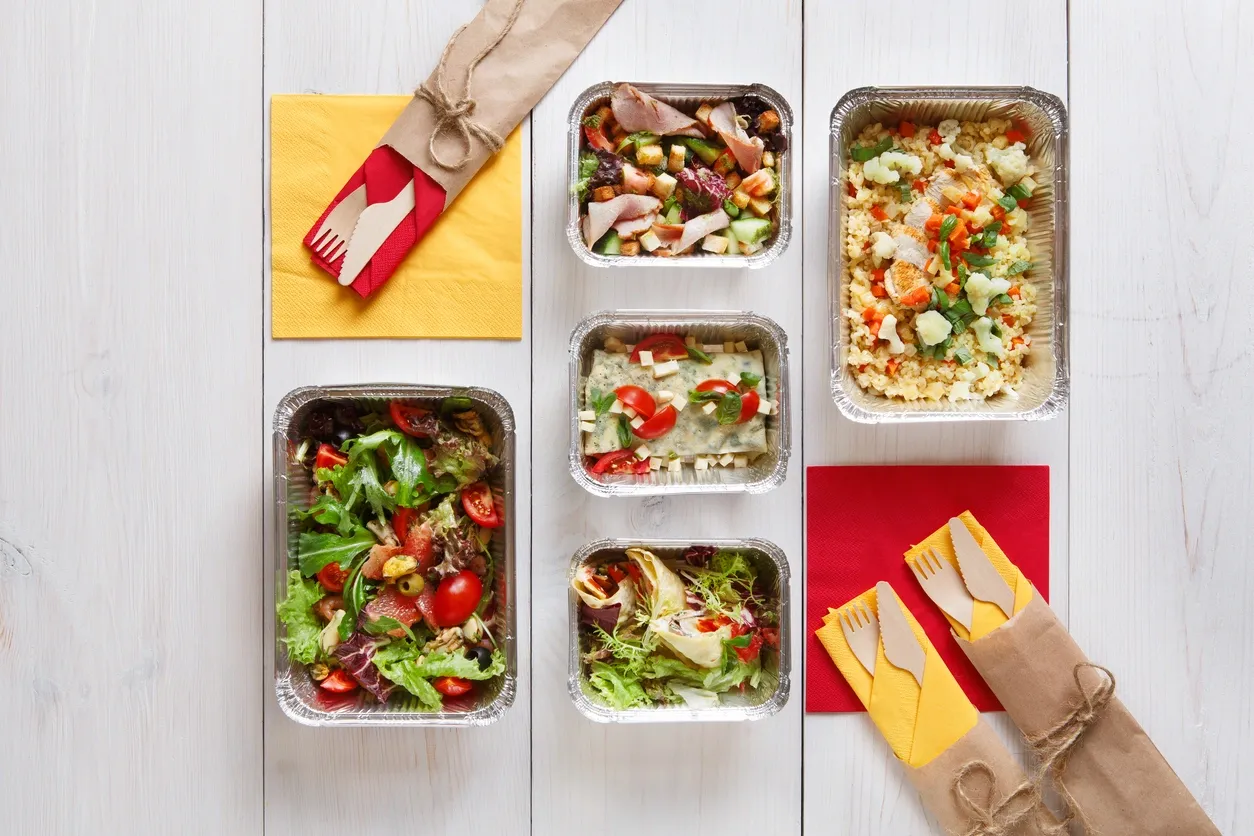
If you’re juggling a busy schedule, finding time to cook healthy meals can feel overwhelming. That’s where meal prepping comes in! By spending just a little time each week planning and preparing your meals, you’ll save time, reduce stress, and stay on track with your weight loss goals.
Meal prepping isn’t about eating the same thing every day—it’s about creating flexible, nutritious options that you can mix and match throughout the week. Here’s how to streamline your meal prep routine while keeping it simple and enjoyable.
Step 1: Choose Your Meals for the Week
Before you start cooking, take a few minutes to plan your meals. Aim to pick:
- 2-3 Protein Sources (for muscle recovery & satiety)
- 3 Non-Starchy Vegetables (for fiber & vitamins)
- 2 Healthy Carbs (for sustained energy)
Sample Meal Prep Combinations Protein Options:
- Grilled Chicken Breast – Classic, lean, and packed with protein
- Salmon or Shrimp – Great for omega-3s and heart health
- Tofu or Tempeh – Excellent plant-based protein alternatives
Veggies:
- Roasted Brussels Sprouts & Carrots – High in fiber and antioxidants
- Bell Peppers & Zucchini – Light, flavorful, and easy to roast
- Steamed Broccoli & Spinach – Nutrient-dense and great for digestion
Carbs (Whole Grains & Fiber-Rich Options):
- Quinoa – A protein-packed grain that’s easy to digest
- Brown Rice – A filling, slow-digesting carb
- Sweet Potatoes – Great for energy and packed with fiber
Pro Tip: Stick to simple seasonings (garlic, lemon, herbs) to keep flavors versatile, allowing you to mix and match throughout the week.
Step 2: Prep & Store Smartly
Once your ingredients are chosen, it’s time to prep in bulk and store your meals for easy access.
Cooking in Bulk (Time-Saving Tips)
- Oven Roasting: Cook proteins and vegetables on sheet pans at 375°F for 20-30 minutes.
- Batch Cooking Grains: Make a large pot of quinoa or brown rice to use in multiple meals.
- Pre-Portioning Snacks: Chop veggies, portion nuts, or pre-boil eggs for quick snacks.
Best Storage Practices
- Use Portion-Controlled Containers: This prevents overeating and makes grab-and-go meals easier.
- Label & Date Meals: Helps keep food fresh and organized in the fridge.
Store Smartly:
- Fridge Meals: Store 3-4 days’ worth of prepped meals.
- Freezer Meals: Batch-cook extra protein (chicken, fish, tofu) and freeze portions for later.
Pro Tip: Keep a mix of pre-assembled meals and separate ingredients so you can switch things up throughout the week.
Step 3: Make Meal Prep Enjoyable!
Meal prepping doesn’t have to be boring! Add variety with different flavors, sauces, and side dishes to keep things exciting.
Simple Ways to Add Flavor Without Extra Calories
- Homemade Dressings & Marinades: Olive oil + lemon + garlic = Instant flavor!
- Herbs & Spices: Fresh basil, parsley, or cilantro can change up any dish.
- Low-Calorie Sauces: Salsa, hot sauce, or balsamic glaze can elevate simple meals.
Mix & Match for Variety
Instead of eating the same meals every day, rotate sides and sauces to create new meal combinations using the same ingredients.
Day 1: Grilled chicken + quinoa + roasted bell peppers
Day 2: Chicken salad wrap with whole wheat tortilla
Day 3: Salmon + steamed broccoli + brown rice
Pro Tip: Keep pre-cut fruits, hummus, and protein-rich snacks on hand so you’re never stuck without a healthy option when hunger strikes.
Final Takeaway: Small Steps = Big Results
Meal prepping is a game-changer for anyone on a GLP-1 weight loss journey. It saves time, removes decision fatigue, and helps you stick to nutritious, balanced meals without stress.